

All About MBBS in Saint Lucia
Learn everything about pursuing MBBS in Saint Lucia, including its affordable fee structure, world-class education, and international opportunities for medical students.
MBBS in Saint Lucia for Indian Students
Pursuing MBBS in Saint Lucia has become a popular choice for Indian students seeking affordable yet high-quality medical education. Here’s why Saint Lucia stands out:
1. Internationally Recognized Medical Degrees:
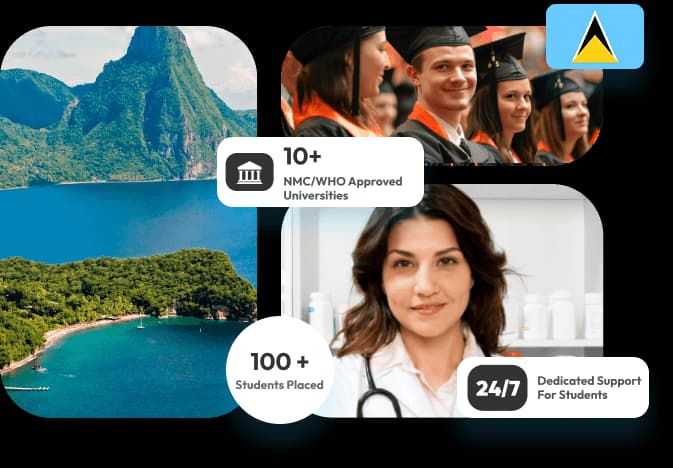
Medical colleges in Saint Lucia are recognized by WHO, NMC, ECFMG, and FAIMER. This allows Indian students to appear for FMGE/NEXT and practice in India. The degree is also valid for PG studies or practice in the US, UK, and Canada.
2. Low Tuition and Living Costs:
The cost of MBBS in Saint Lucia is far lower than private medical colleges in India. Accommodation, food, and transportation are also affordable, making it a budget-friendly study destination.
3. US-Based Curriculum and Clinical Rotations:
Medical universities in Saint Lucia follow a US-based curriculum—ideal for students preparing for USMLE. Many universities offer clinical rotations in the US, improving residency prospects.
4. English Medium Instruction:
MBBS programs are taught entirely in English, making academics easy for Indian students without needing to learn a foreign language.
5. Quality Medical Education:
Colleges offer modern infrastructure, advanced labs, and highly qualified faculty. Small batch sizes ensure personalized academic attention.
6. Safe and Multicultural Environment:
Saint Lucia is a safe, student-friendly island nation with a multicultural environment that helps Indian students adapt easily.
7. Excellent Career Opportunities:
With international clinical exposure, students can pursue PG opportunities abroad or return to India for FMGE/NEXT.
8. Streamlined Admission Process:
Admission is easy and does not require NEET in many universities. Documentation requirements are simple and student-friendly.
Advantages of Studying MBBS in Saint Lucia
Studying MBBS in Saint Lucia offers several unique advantages:
1. Caribbean Medical Council Accreditation:
Many universities are accredited by the Caribbean Medical Council, allowing graduates to practice across multiple Caribbean nations.
2. Early Clinical Exposure:
Students begin clinical exposure from the second year, helping them develop strong practical skills early.
3. Training in Tropical Diseases:
Students get real-world exposure to tropical diseases like dengue, malaria, and chikungunya—valuable for practice in India.
4. Pathway to US Residency:
Affiliated hospitals in the US provide students with opportunities to secure US residency placements.
5. Advanced Simulation Labs:
AI-enabled simulation labs help students practice complex medical procedures safely.
6. Low Student-to-Faculty Ratio:
Universities maintain small class sizes to ensure individualized attention and academic support.
7. Multicultural Exposure:
Students from multiple countries study together, enhancing communication and global cultural understanding.
8. Visa-Friendly Destination:
Student visas are easy to obtain, with minimal documentation and quick processing.
Cost of MBBS in Saint Lucia
MBBS in Saint Lucia is affordable compared to Western countries. The annual tuition fees typically range between USD 35,000 to USD 50,000.
The full MBBS program (5–6 years) may cost USD 175,000 to USD 250,000, including tuition and clinical rotations.
Living expenses average USD 800 to USD 1,200 per month, depending on lifestyle.
Food and Accommodation for Indian Students
Accommodation costs range from USD 400 to USD 800 monthly. Students can choose between shared apartments or university dorms.
Food expenses average USD 250 to USD 400 monthly. Indian groceries and restaurants are available in major student areas.
Traveling Cost in Saint Lucia
Local transportation costs between USD 100 and USD 150 per month.
Long-distance travel may cost USD 20 to USD 50 per trip. Round-trip flights to India cost between USD 1,200 and USD 2,000.
Duration of MBBS Course in Saint Lucia
The MBBS program is 5 to 6 years long and divided into:
Pre-Clinical Phase (2 Years):
Covers anatomy, physiology, biochemistry, pharmacology, pathology, etc.
Clinical Phase (3–4 Years):
Includes hands-on clinical rotations in hospitals, often in the US.
Intake for MBBS Study in Saint Lucia
MBBS admissions occur twice a year:
- January Intake: Primary intake for most universities.
- September Intake: Secondary intake for late applicants.
Some universities may also offer a May intake, but it is less common.
Medium of Teaching in Saint Lucia
The MBBS curriculum in Saint Lucia is taught entirely in English. This makes learning smooth for Indian students and helps with licensure exams such as USMLE, PLAB, and FMGE.
Admission Procedure for Saint Lucia MBBS Colleges
1. Fill out the admission form: Visit www.rmcedu.com and submit the MBBS application form.
2. Verification: The university verifies your documents such as passport, academic records, and NEET score (if required).
3. Screening: Universities check eligibility based on academic performance.
4. University Shortlisting: Students are shortlisted based on merit and documentation.
Campus Life for Medical Students in Saint Lucia
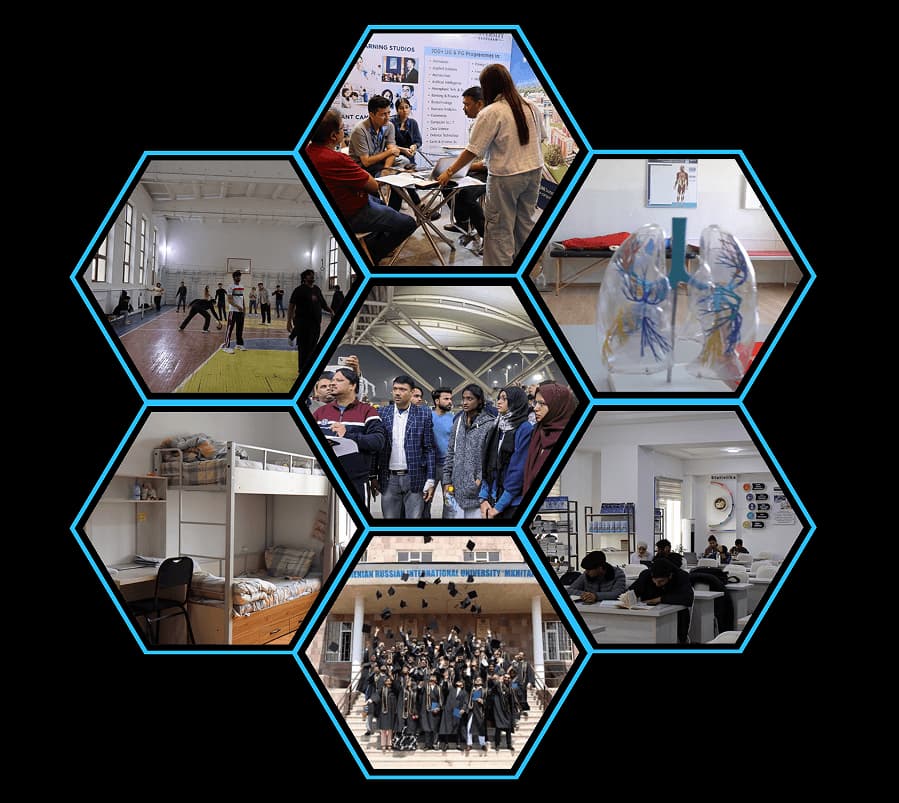
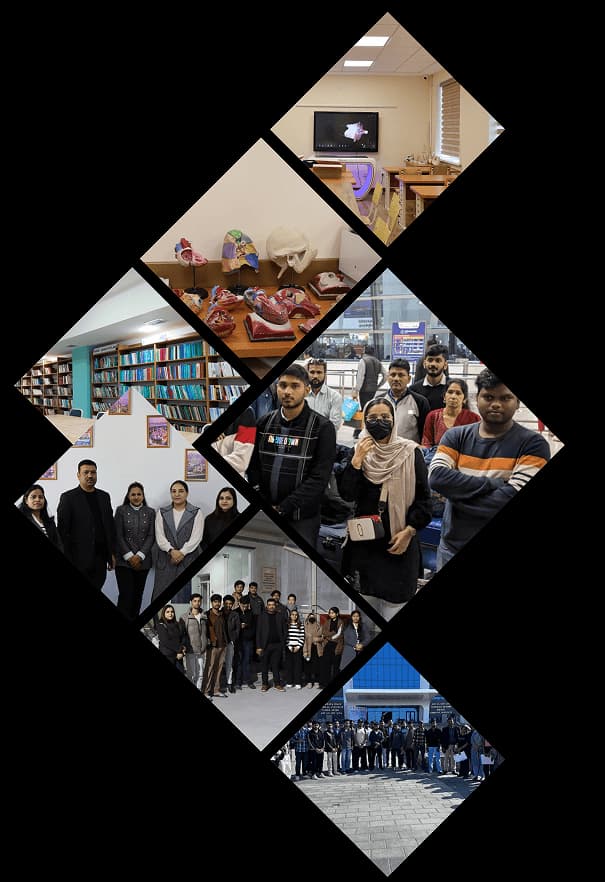
Medical students in Saint Lucia enjoy a vibrant and multicultural campus environment, making it comfortable for Indian students to adapt. Universities offer modern classrooms, advanced laboratories, simulation centers, and digital libraries to support academic learning. Student housing is available both on-campus and off-campus, with essential amenities and access to Indian or familiar food options. Students can participate in sports, cultural programs, student clubs, and community activities, creating a balanced lifestyle. The island’s warm climate, friendly locals, and safe surroundings further enhance the student experience, while the cost of living remains moderate compared to Western nations.
Career Opportunities After MBBS in Saint Lucia
After completing MBBS in Saint Lucia, Indian students can appear for licensing exams such as FMGE/NExT to practice medicine in India. Graduates also have opportunities to pursue careers abroad by taking exams like USMLE for the USA or PLAB for the UK. Students can continue with postgraduate studies or residency programs in countries such as the USA, UK, or Canada. MBBS graduates may work in various healthcare sectors including hospitals, clinics, research institutions, and public health organizations. The U.S.-based curriculum offered by many Saint Lucia medical universities provides strong international exposure and opens pathways for global medical careers.
MBBS in Saint Lucia Syllabus
| Phase / Year | Subjects / Training |
| Pre-Clinical (Years 1–2) | Anatomy, Physiology, Biochemistry, Cell Biology, Histology, Fundamentals of Medicine, Basic Medical Sciences |
| Pre-Clinical / Basic Sciences (Years 2–3) | Pathology, Pharmacology, Microbiology, Immunology, Community Medicine, Medical Ethics, Foundations of Clinical Medicine |
| Clinical Phase (Years 4–5) | Internal Medicine, General Surgery, Pediatrics, Obstetrics & Gynecology, Family Medicine, Emergency Medicine, Clinical Diagnostics, Basic Patient Care |
| Final Year / Clinical Rotations | Rotations in major departments: Medicine, Surgery, Pediatrics, OBGY, Emergency & Critical Care, Community Health, Elective Specialties |
Comparing MBBS in Saint Lucia vs MBBS in India
| Aspects | MBBS in Saint Lucia | MBBS in India |
| Duration | Approx. 5.5 years (with clinical rotations) | 5.5 years (including 1-year internship) |
| Tuition Fees | Approx. USD 78,000 for full program | INR 60,000 to 1 crore (varies highly) |
| Admission Requirements | No NEET in many universities; 12th with PCB | NEET mandatory |
| Global Recognition | Recognized by WHO, ECFMG, NMC (varies) | Recognized by NMC; varies by college |
| Intakes | January & September | Usually one major intake |
| Cultural Environment | International student-friendly | Rich cultural diversity |
| Living Costs | Moderate | Low in government colleges, moderate in private |
| Career Opportunities | Practice in India & abroad | Strong domestic and overseas opportunities |
| Practical Training | Hands-on exposure in affiliated hospitals | Extensive clinical training |
| Quality of Education | International standards, modern curriculum | Varies by institution |