
All About MBBS in India 2026-27
Learn everything about pursuing MBBS in India , including the affordable fee structure, world-class education, and the opportunities it offers for international medical students.
The Major Reasons to Choose MBBS India Is:
Study MBBS in India is one of the strategic options for medical aspirants and for valid reasons. India has some of the best medical colleges in India that award internationally recognised MBBS degrees that are acceptable in numerous foreign countries.
Affordability is one of the most striking considerations. The cost of MBBS in India are much cheaper than most countries of the West, thus making the option suitable for mid-income earners. Students are further offered top-notch medical education with state-of-the-art infrastructure for academics and experienced teaching staff in both private and public medical colleges in India.
Another major reason is extensive clinical exposure. Owing to a heterogeneous population and heavy patient flow in Indian hospitals, the students have hands-on experience in diagnosing and treating numerous diseases. Practical training represents a major strength of Indian medical schools.
Additionally, the whole MBBS programs in India are taught in English, and it favors both domestic and foreign students. For Indian aspirants, MBBS admission in India becomes hassle-free through NEET, based on merit.
The cultural diversity of the country, secure learning environment, and internationally focused curriculum make medical study in India a top career choice. Either from India or overseas, there is no match for medical education in India.
Cost of MBBS in India
The cost of MBBS in India are determined by the nature of the institution—government or private. Government medical colleges in India have very subsidized fees, typically between INR 20,000 and INR 7 lakhs for the whole course. Private medical colleges in India charge between INR 30 lakhs and INR 1 crore, depending on infrastructure and location of the college.
Relative to foreign locations, MBBS in India costs are reasonably priced, with India becoming a popular destination for local and foreign students. The public institutions have their fees regulated by government bodies, thus making them transparent and within reach.
In spite of the difference, the total expense of MBBS in India is comparatively low when viewed in the context of education abroad, especially in comparison with associated low living costs and scholarships. It provides value without sacrificing quality due to its cost-effective medical education.
Food and Accommodation for Indian Students
When studying MBBS in India, all medical colleges in India provide comfortable and reasonably priced food and lodging facilities either in or around their own premises. Hostel conditions are usually decent, with available single, double, or shared lodging. Monthly hostel fees vary from INR 3,000 to INR 10,000 based on the college and location.
Meat facilities offer healthy Indian food, which is tailored according to regional food tastes and nutritional requirements. Most private medical institutes in India also offer hygienic kitchen facilities and modern canteens for additional comfort.
For those who prefer individual rentals, there is ample accommodation available at affordable tariffs in most Indian cities. From an overall perspective, life in India for medical students is affordable, with foodstuffs and accommodations student-friendly and easily accessible, which make academic pursuits simpler without financial worries.
Traveling Cost in India
India has numerous affordable transportation modes, so daily commuting becomes economical for medical students. Public transportation such as buses, metros, and shared auto-rickshaws are available and not expensive, regardless of whether one studies in a metro city or a local town.
Generally, as a medical student in India, local transportation will be around INR 500 to INR 1,500 a month. Metro train facilities provide quick and secure transportation in major cities, whereas smaller-town students get around by bicycle or on scooters.
Most universities for MBBS in India are easily accessible by road and train, providing convenient access to sites for clinical training and nearby facilities. Low-cost transportation further boosts the quality of life for the students while maintaining affordability.
Duration of MBBS Course in India
The MBBS program in India usually lasts for five and a half years, comprising theoretical and practical training. It spends the first four and a half years on intense classroom study, laboratory work, and hospital visits in the affiliated institutions. Students study core medical subjects like anatomy, physiology, pharmacology, and pathology.
The final year is spent on clinical rotations where the students gain practical experience across wide-ranging specialties, working with actual patients under close supervision by senior doctors. Clinical training plays a key role in the development of the practical skills that are required to be a successful medical professional.
At the completion of the MBBS course in India, one must also undergo a one-year internship in order further to sharpen practical knowledge and skills. It is a wonderful way to work on the wards with patients, making the transition from student life to that of a medical professional.
Medium of Teaching in India
English is the main teaching medium for MBBS programmes in India. This allows Indian as well as foreign students to comprehend the subjects with ease and communicate with the teaching members. Since English happens to be the universal language of medicine, medical schools in India have a perfect opportunity to teach, lecture, and conduct tests using this language. This also increases the possibilities of further education and the right to work as a medical professional outside the country.
Intake for MBBS Study in India
Application for MBBS program in India usually opens in the first quarter of the academic year, with most medical colleges announcing admissions between May and June. The point of entry for Indian and foreign students alike is through the NEET (National Eligibility cum Entrance Test), held yearly, typically in the months of May or June. Admissions in government and private medical colleges in India are based on NEET scores.
For Indian applicants, the application process is centralised, with available seats in NMC approved medical colleges of India as well as private institutions. International applicants are also eligible to apply for available seats in some of the chosen medical colleges under specific eligibility standards and documentary requirements.
Seats differ for each state and college but account for around 80,000 MBBS seats nationwide. Students should make sure they fulfill the required application deadlines and eligibility.
Admission Procedure For India MBBS College
- Fill out the admission form: Visit our official website https://www.rmcedu.com and complete the MBBS admission form with accurate details.
- Verification: The university will verify your application form, along with uploaded documents such as your passport, academic transcripts, and NEET scorecard, after you have submitted it.
- Screening: The university then undertakes a screening process in which the applicant must determine eligibility for admission to MBBS programs in India
- University-Wise Admission Shortlist: After the completion of the screening, the university will publish a shortlist of selected students for admission.
- Visa Process: After shortlisting, the student should apply for a student visa to the nearest Indian Embassy or Consulate, attaching the confirmation of admission, passport, and other necessary documents.
- Physical Copy of Admission Letter: A hard copy of the admission letter will be sent by the university, which you will need to complete the visa process and enrollment.
- Fly to India: Book your tickets and travel to India to join your desired university. Complete enrollment once you reach there and start with your education.
Scholarship Offered for MBBS in India
Study MBBS in India is everyone's desire. Though the MBBS in India fees of government colleges are low, private medical colleges in India charge more. For supporting deserving and economically weaker candidates, many scholarships for MBBS in India are available. Central government, state governments, universities, and private trusts provide such scholarships.
- Central Sector Scheme of Scholarship for College and University Students
This is a merit scholarship scheme of the Government of India for students with 80% and above marks in their 12th class examination. Students studying MBBS programs in India from recognized institutions are entitled to get financial help on an annual basis. - Nationawide Education and Scholarship Test (NEST)
It is granted on the basis of a country-wide test held for medical students. It offers financial assistance to meritorious students for professional courses like MBBS in India for Indian candidates. - AIIMS Scholarships
Among these are top medical schools such as AIIMS that provide internal scholarships on the basis of merit and financial needs. The scholarships cover tuition and hostel fees. - State Government Scholarships
Most state governments in India have schemes that award scholarships to residents of that particular state. These are typically for students doing their medical education in NMC approved medical colleges in India and cover fee reimbursements, maintenance allowances, and books grants.
Examples Include:- Dr. Ambedkar Scholarship
- Prime Minister Meritorious Students Scheme (Madhya Pradesh)
- Kalia Scholarship Odisha
- NGO and Private Scholarships
Tata Trusts, Sahu Jain Trust, and Indian Oil are some of the institutions that provide financial help for MBBS programs in India. Partial as well as full tuition fees are supported by some NGO groups for low-income family students. - College-Specific Scholarship
Some of the medical universities in India, particularly private medical institutions, provide institutional scholarships on the basis of academic achievements, NEET scores, and financial conditions. The scholarships offered by them can lower their India medical college fees for deserving candidates. - National Means-cum-Merit Scholarship Scheme
While focused on Classes IX-XII, the scholarship provides for talented students from economically weaker sections that could later go for MBBS admission in India. Extended schemes may be aided for continuation into college.
Medical Courses in India
Other than MBBS in India, there are other medical courses available in India like BDS (Bachelor of Dental Surgery), BAMS (Ayurveda), BHMS (Homeopathy), BPT (Physiotherapy), and B.Sc. Nursing. All these programs are taught in leading medical institutions of India and are sure to provide great careers in the healthcare industry in addition to conventional MBBS programs in India.
MBBS Syllabus In India 2026
| Phase | Year | Subjects |
| Pre-clinical | 1st year | Anatomy, Physiology, Biochemistry |
| Para-clinical | 2nd year | Pathology, Microbiology, Pharmacology, Forensic Medicine |
| Clinical | 3rd to 5th year | General Medicine, General Surgery, Pediatrics, Obstetrics & Gynecology, Orthopedics, ENT (Ear, Nose & Throat), Ophthalmology, Dermatology, Psychiatry, Community Medicine |
| Internship | 1 year | Rotational Internship in departments like Medicine, Surgery, Pediatrics, etc |
Career Opportunities after MBBS in India
MBBS in India offers a range of different career prospects in both non-clinical and clinical areas. Post-graduate courses such as MD, MS, or Diplomate of National Board (DNB) help specialize in different branches of medicine. Some people take up government sector jobs based on competitive exams such as UPSC CMS or state medical services.
Many of them go on to practice as general practitioners, work with private hospitals, or establish their own clinics. Opportunities for teaching and research exist in Indian medical schools too, so academia is another option.
For individuals looking for overseas exposure, Indian MBBS degrees are accepted in many countries upon passing licensing exams such as USMLE, PLAB, or AMC. Public health, medical writing, administration of hospitals, and health tech are some of the emerging areas.
After MBBS in India, there are immense career opportunities promising stability, growth, and a significant role in the health sector.
Campus Life for Medical Students in India
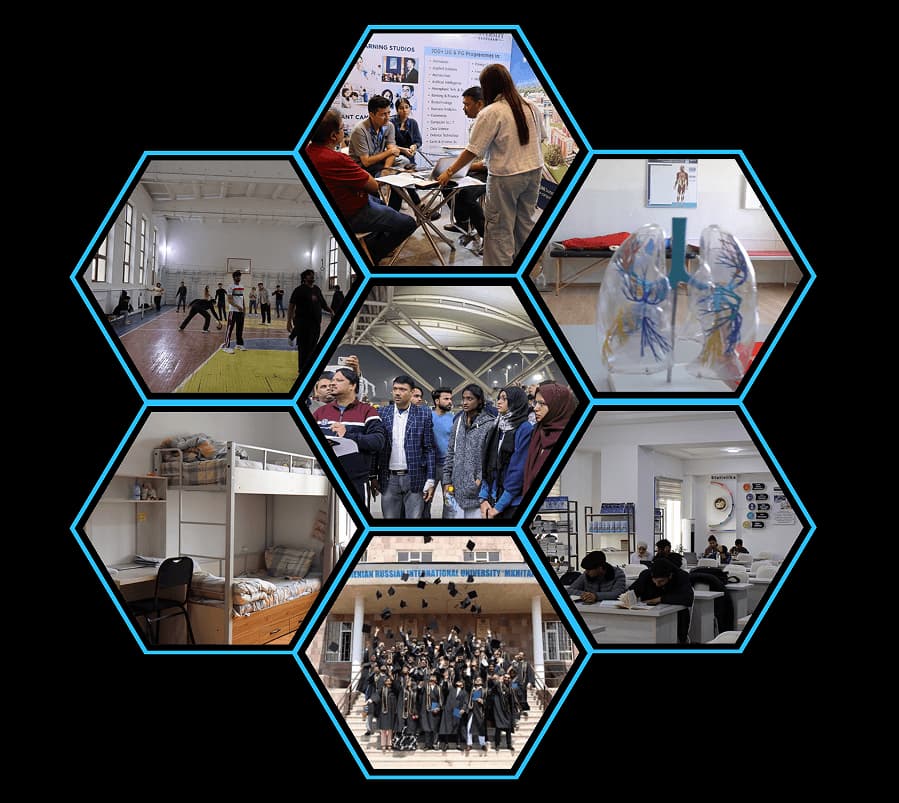
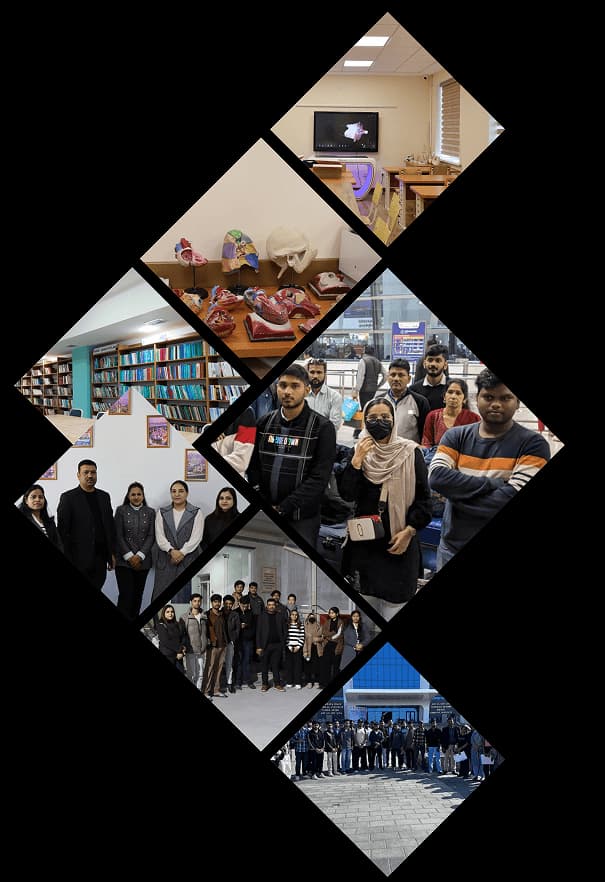
Life on campus for Indian MBBS students is exciting, demanding, and enriching. Most Indian medical schools provide an equilibrium of academics with extracurricular activities such as cultural activities, sports, fests, and student clubs. Hostel life allows peers from different backgrounds to bond together.
Students have access to libraries, anatomy laboratories, hospitals, and centers of simulated learning that enrich learning. Peer interactions, mentorship programs, and student services support the building of a strong sense of community.
Whether pursuing an education in a private medical school in India or a state institute, medical students go through a mix of intense training and development, with living in India as a medical student being a transformative process.